⭐ Understand pneumonia symptoms, types, diagnosis & nursing care in minutes
This pneumonia nursing management guide covers symptoms, types, diagnosis, and the complete nursing care plan.
📌 Introduction – What is Pneumonia?
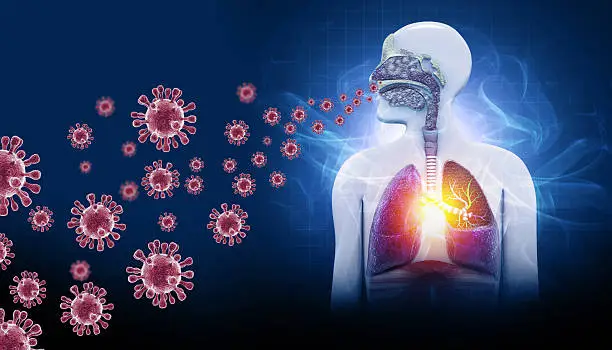
Pneumonia is an acute infection and inflammation of the lung parenchyma — specifically the alveoli (air sacs) and surrounding tissue. The inflammatory process fills the alveoli with fluid, pus, and cellular debris, which impairs gas exchange (oxygen entering the blood) and makes it hard to breathe.
It remains a major cause of illness and death worldwide, especially in infants, the elderly, and immunocompromised patients.
🦠 Types & Classification
Pneumonia is classified by where it is acquired:
| Type | Where it develops | Common Organisms |
|---|---|---|
| CAP (Community-Acquired) | Outside hospital / within 48h of admission | Streptococcus pneumoniae, Haemophilus influenzae, Mycoplasma |
| HAP (Hospital-Acquired) | ≥ 48h after admission | Pseudomonas, Klebsiella, MRSA |
| VAP (Ventilator-Associated) | ≥ 48h after intubation | Gram-negative bacteria, S. aureus |
| Aspiration Pneumonia | Inhaling food/vomit into lungs | Anaerobic bacteria |
Typical vs Atypical
- Typical (bacterial): Sudden high fever, chills, productive cough with yellow-green/rust-colored sputum
- Atypical (viral/Mycoplasma): Gradual onset, dry cough, headache, fatigue (often “walking pneumonia”)
⚠️ Causes & Risk Factors
- 🦠 Bacterial infection – most common (Streptococcus pneumoniae)
- 🦠 Viral infection – influenza, RSV, COVID-19
- 🍄 Fungal – in immunocompromised patients
- 🚬 Smoking
- 🧓 Advanced age (> 65) or very young
- 🩺 COPD, asthma, diabetes, heart disease
- 💪 Weak immune system (HIV, chemotherapy)
- 😴 Aspiration – dysphagia, altered mental status, bedridden patients
- 🏥 Hospitalization / ventilator use
🤒 Common Symptoms
- 🌡️ Fever and chills
- 😮💨 Cough – with phlegm (yellow/green/rust-colored) or dry
- 😮💨 Shortness of breath (dyspnea)
- 📩 Chest pain – pleuritic (worse on breathing/coughing)
- 🥱 Fatigue & weakness
- 😕 Confusion – (especially in elderly – important red flag!)
- 🫁 Rapid breathing (tachypnea) & rapid heart rate
⚠️ Note: In the elderly, pneumonia may present only with confusion or poor appetite without fever or cough.
🩺 Diagnosis & Diagnostic Findings
- Chest X-ray – the cornerstone; shows a new infiltrate/consolidation
- CBC – elevated WBC (leukocytosis) in bacterial
- Sputum Gram stain & culture – identify organism
- Blood cultures – in hospitalized/severe cases
- CRP / Procalcitonin – markers of inflammation
- ABG (Arterial Blood Gas) – check oxygen & CO2
- Pulse oximetry (SpO2) – oxygen level
📊 CURB-65 Severity Score (Bedside Tool)
Used to decide outpatient vs hospital admission. Each finding = 1 point:
| Letter | Criterion | Point |
|---|---|---|
| C | New C onfusion | 1 |
| U | U rea (BUN) > 20 mg/dL | 1 |
| R | R espiratory rate ≥ 30 | 1 |
| B | B lood pressure (SBP < 90 / DBP ≤ 60) | 1 |
| 65 | Age ≥ 65 years | 1 |
Interpretation:
| Score | Risk | Treatment Setting |
|---|---|---|
| 0–1 | Low | Outpatient (home) |
| 2 | Intermediate | Consider admission |
| ≥ 3 | High | Hospital admission (ICU if 4–5) |
Note: Clinical judgment, oxygen needs, and comorbidities may override the score.
💊 Medical Treatment
1. Antibiotics (Bacterial)
- Outpatient CAP: Amoxicillin, Doxycycline, or Macrolide (Azithromycin)
- Hospital CAP: IV Ceftriaxone + Macrolide, or respiratory Fluoroquinolone
- HAP/VAP: Broader spectrum (antipseudomonal) for resistant organisms
- Aspiration: Cover anaerobes (Ampicillin-Sulbactam, Metronidazole)
⚠️ Administer antibiotics promptly — within 1 hour if sepsis/septic shock.
2. Supportive Care
- Oxygen therapy (target SpO2 ≥ 92%, or 88–92% in COPD)
- Fluids – IV/oral hydration
- Fever control – antipyretics
- Chest physiotherapy – breathing exercises, deep breathing
- Rest & nutrition
🩺 Role of the Nurse in Pneumonia Nursing Management
- Assess – respiratory rate, breath sounds (crackles, bronchial), SpO2, temp
- Monitor – vital signs, oxygen saturation, intake/output
- Administer – antibiotics, oxygen, IV fluids as ordered
- Position – semi-Fowler’s / upright to ease breathing
- Airway clearance – encourage cough, deep breathing, chest physiotherapy
- Fluids – encourage plenty of fluids
- Watch for complications – sepsis, respiratory failure, confusion
- Patient education – rest, medication compliance, warning signs
- Vaccination – educate on influenza & pneumococcal vaccines
- Document – response to treatment & deterioration signs
🧠 Complications (If Untreated)
- Respiratory failure – need for oxygen/ventilation
- Sepsis / Septic shock – life-threatening infection
- Pleural effusion – fluid around lungs
- Empyema – pus in pleural space
- Lung abscess
- Death – highest in elderly & immunocompromised
🚭 Prevention
- ✅ Vaccination – pneumococcal & influenza vaccines
- ✅ Quit smoking
- ✅ Good hand hygiene
- ✅ Maintain immunity – healthy diet, exercise, sleep
- ✅ Manage chronic diseases (diabetes, COPD)
- ✅ For bedridden patients – oral care & head elevation to prevent aspiration
❓ Frequently Asked Questions (FAQ)
Q1. What is the most common cause of bacterial pneumonia? Streptococcus pneumoniae (pneumococcus).
Q2. What is CURB-65 used for? It’s a bedside severity score that helps decide whether a CAP patient needs home care, hospital admission, or ICU.
Q3. What is atypical pneumonia? Pneumonia caused by organisms like Mycoplasma pneumoniae — often gradual onset with dry cough (walking pneumonia).
Q4. What is the best way to confirm pneumonia? Chest X-ray showing a new infiltrate, along with clinical symptoms.
Q5. Why is confusion a red flag in pneumonia (especially elderly)? It may indicate severe infection, low oxygen, or developing sepsis — requires urgent evaluation.
🎯 Quick Quiz (Test Yourself)
Q1: Chest X-ray finding in pneumonia is called a new ___. Q2: The most common bacterial cause of CAP is ___? Q3: A CURB-65 score of 4 indicates which treatment setting?
💬 Write your answers in the comments below!
Related Posts
🫁 COPD (Chronic Obstructive Pulmonary Disease) – Complete Nursing Management Guide
🫁 Asthma – Complete Nursing Management Guide
📌 Key Takeaways
- ✅ Pneumonia = acute infection & inflammation of alveoli/lung tissue
- ✅ Types: CAP, HAP, VAP, Aspiration (by place acquired)
- ✅ Chest X-ray = cornerstone of diagnosis
- ✅ CURB-65 score = guides care setting
- ✅ Most common bacterial cause = S. pneumoniae
- ✅ Nurse’s role = airway clearance, oxygen, education, monitoring
📚 Sources & References
- American Thoracic Society / IDSA CAP Guidelines 2019 – https://thoracic.org
- World Health Organization (WHO) –https://who.int
- CDC – Pneumonia – https://cdc.gov
- Nurseslabs / NurseTogether nursing care guides
